Media Coverage on the Paralympics
Welcome
readers to this week's blog post, the topic for this week is all about how to
increase the media coverage of the Paralympics. As well as addressing the issue
of disabled athletes being portrayed by the media as “villains, supercrips, or
helpless.”
I believe the first major step forward
would be guaranteeing consistent live coverage, athlete features focused on
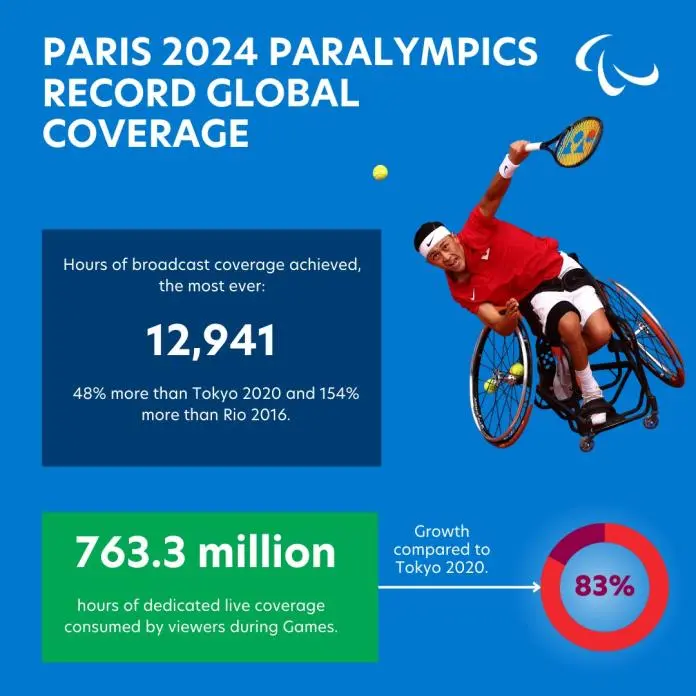
performance, and year-round reporting not just attention every two years (Figure 1). This
would also include advertisements that are separate from the Olympics, the current
advertisements seem to put the Paralympics as a second thought to the Olympics.
Or that the Paralympics is just an extension to the Olympics, even though it is
its own event.

However, I do not think increasing airtime
alone would be enough. The way athletes with disabilities are portrayed also
needs to shift. The current media coverage mostly falls into three harmful
stereotypes: the “villain,” the “supercrip,” or the “helpless victim.” The
“supercrip” narrative arguably the most common, frames athletes primarily as
inspirational figures who “overcame” their disabilities just to compete. While
these stories may seem positive at first, they subtly suggest that disability
itself is tragic and that success is surprising. This shifts the focus away
from athleticism, strategy, rivalry, and skill which are the very elements that
make sports compelling. Overall, the current narrative that the media uses is
quite harmful to disabled athletes as well as the sporting events they participate
in such as the Paralympics.
I think the way media professionals can
avoid this narrative is by adopting a social-model perspective of disability.
This model would emphasize societal barriers rather than treating disability as
a personal defect. Instead of dramatic background music and emotional
storytelling that centers on hardship, coverage could highlight training
regimens, competitive statistics, team dynamics, and tactical decisions. In
other words, what I am trying to say is that the media should report on
Paralympic athletes the same way journalists cover Olympic athletes.
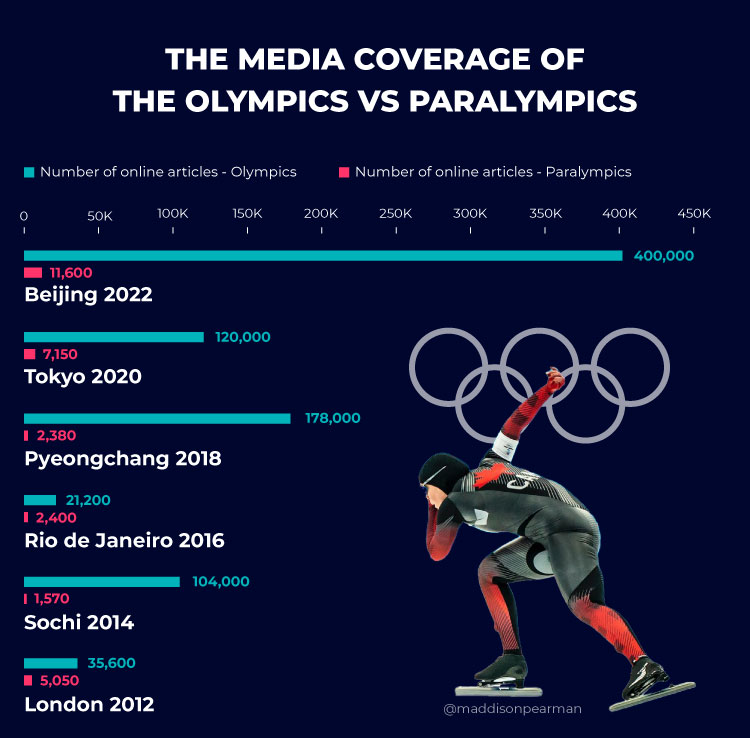
Another change I would add is increasing representation behind the scenes for disabled sporting events. What I mean by that is having people with disabilities work as commentators, producers, journalists, and analysts, the storytelling naturally becomes more authentic and less stereotyped. This I believe would fix how the media on disabled sporting events is portrayed (Figure 2).

In conclusion, I believe the changes I talked about in the blog such as more media coverage and getting rid of the common "supercrip" portrayal of the athletes, would greatly increase the rates for the Paralympics and disabled sports as a whole. Furthermore, implementing more representation of the disabled community in the media would also change the stories being produced by the news. Thank you all again for tuning into this week's blog post and stay tuned for next week's post!
References
https://www.primeapi.com/cmscdn/cdn/cms/SC/olympics_vs_paralympics_media_coverage_15c60c2748.jpg


Comments
Post a Comment